About
A specialist Resource Recovery and Rehabilitation-Focused Industrial Group operating across Southern Africa.
Our Philosophy
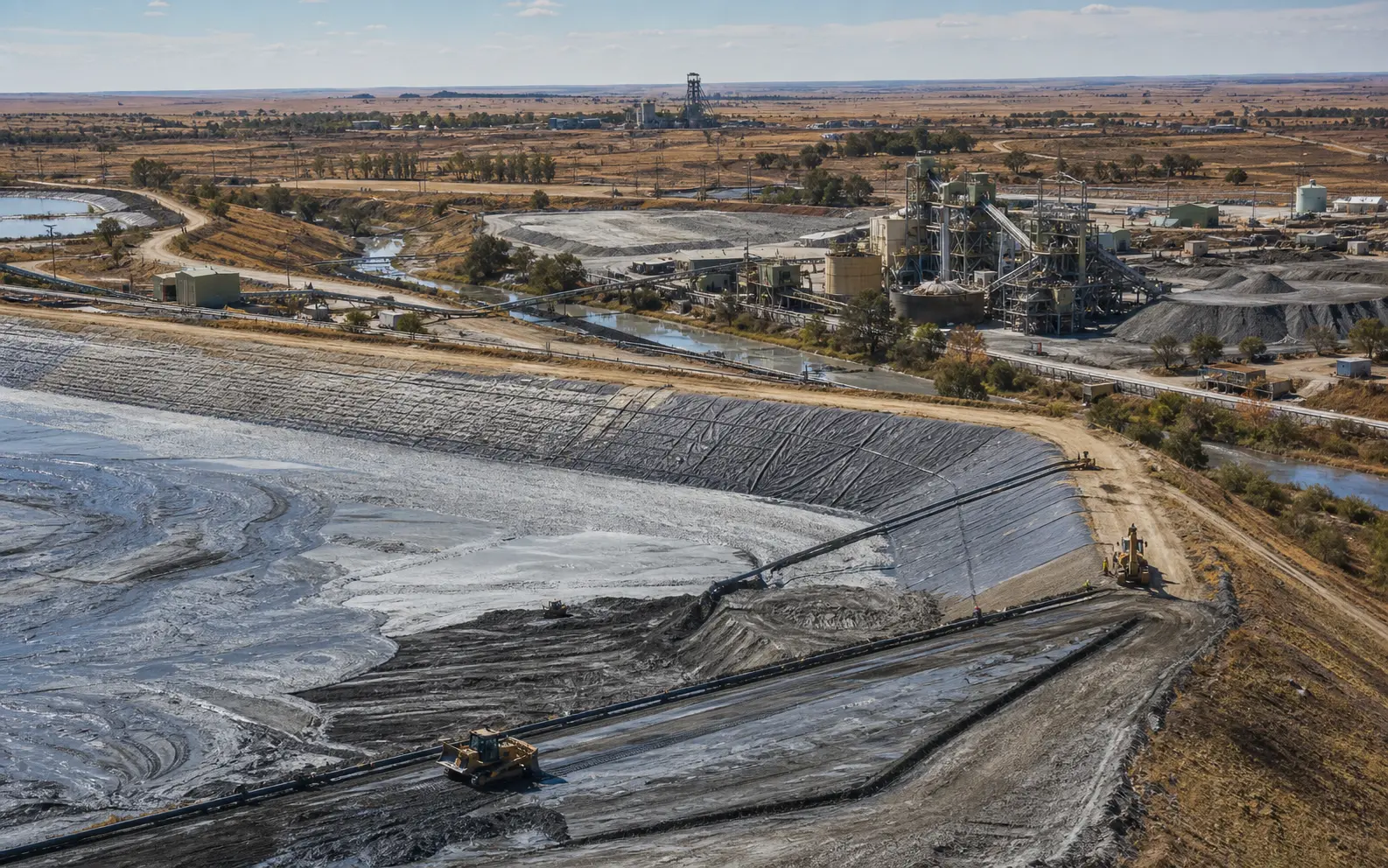
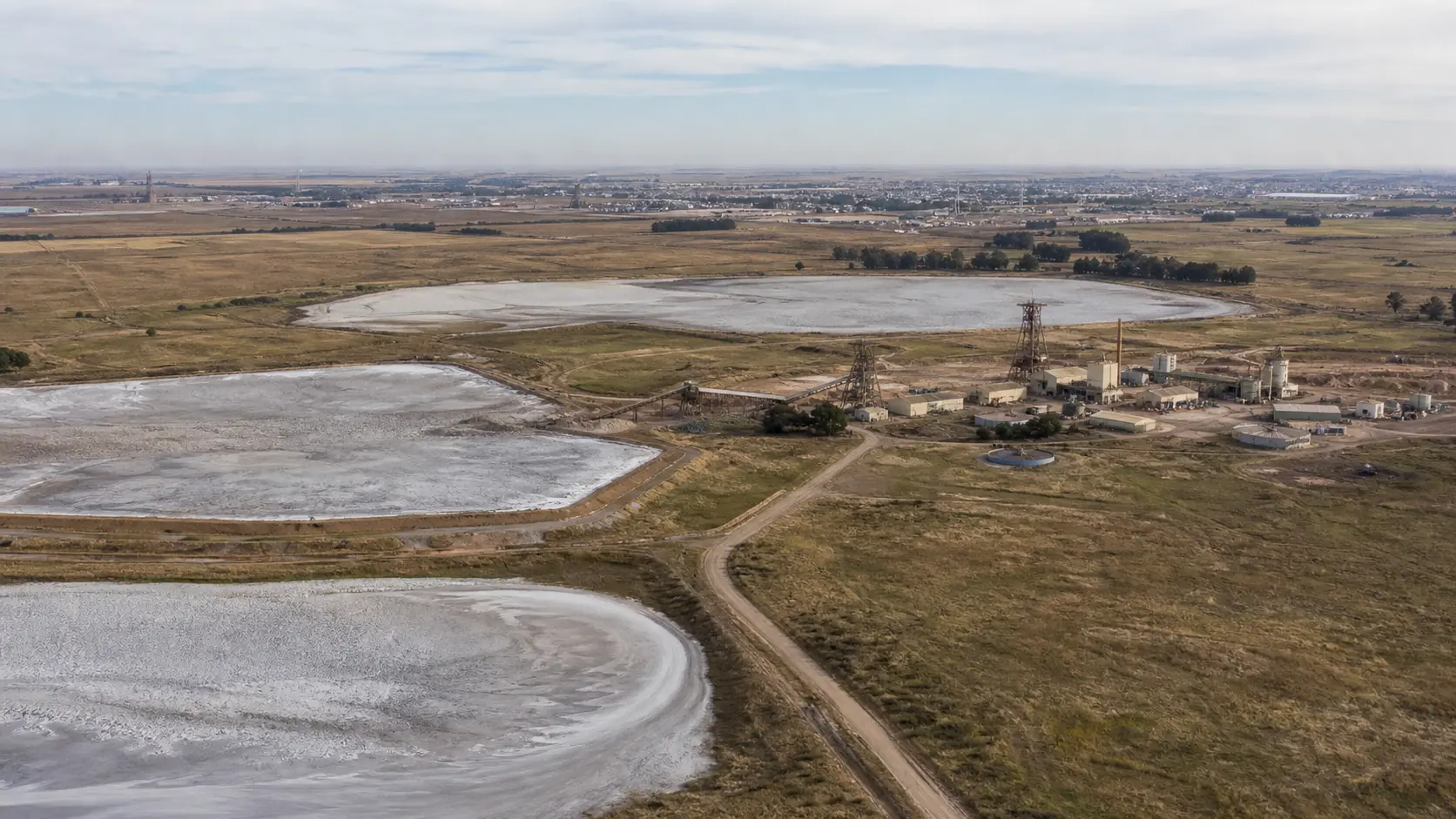
ASML Group is a heavy industrial asset consolidator and mineral recovery specialist operating in Southern Africa. We stand at the intersection of surface mineral recovery, metallurgical processing, and progressive rehabilitation planning.
Instead of pursuing traditional, high-risk deep-level greenfield exploration, ASML Group focuses entirely on known, surface-level historical mining assets. We specialize in converting suitable historical surface mining assets into productive industrial platforms, subject to technical, regulatory, and commercial due diligence.
The Closed-Loop Blueprint
Our operations are guided by a waste-minimisation and circular-economy operating principle. Each suitable asset opportunity is assessed against material characterisation, tailings ownership and control, land access, MPRDA status, environmental authorisations, water-use requirements, infrastructure condition, regulatory approvals, and commercial viability before being developed through a careful, multi-domain sequence:
1. Consolidation:
We assess, acquire, or partner around suitable historical TSFs, residue stockpiles, residue deposits, mineral-bearing surface deposits, and adjacent industrial infrastructure subject to tailings ownership, land access, MPRDA status, environmental authorisations, water-use requirements, and commercial due diligence.
2. Metallurgical Processing & Recovery:
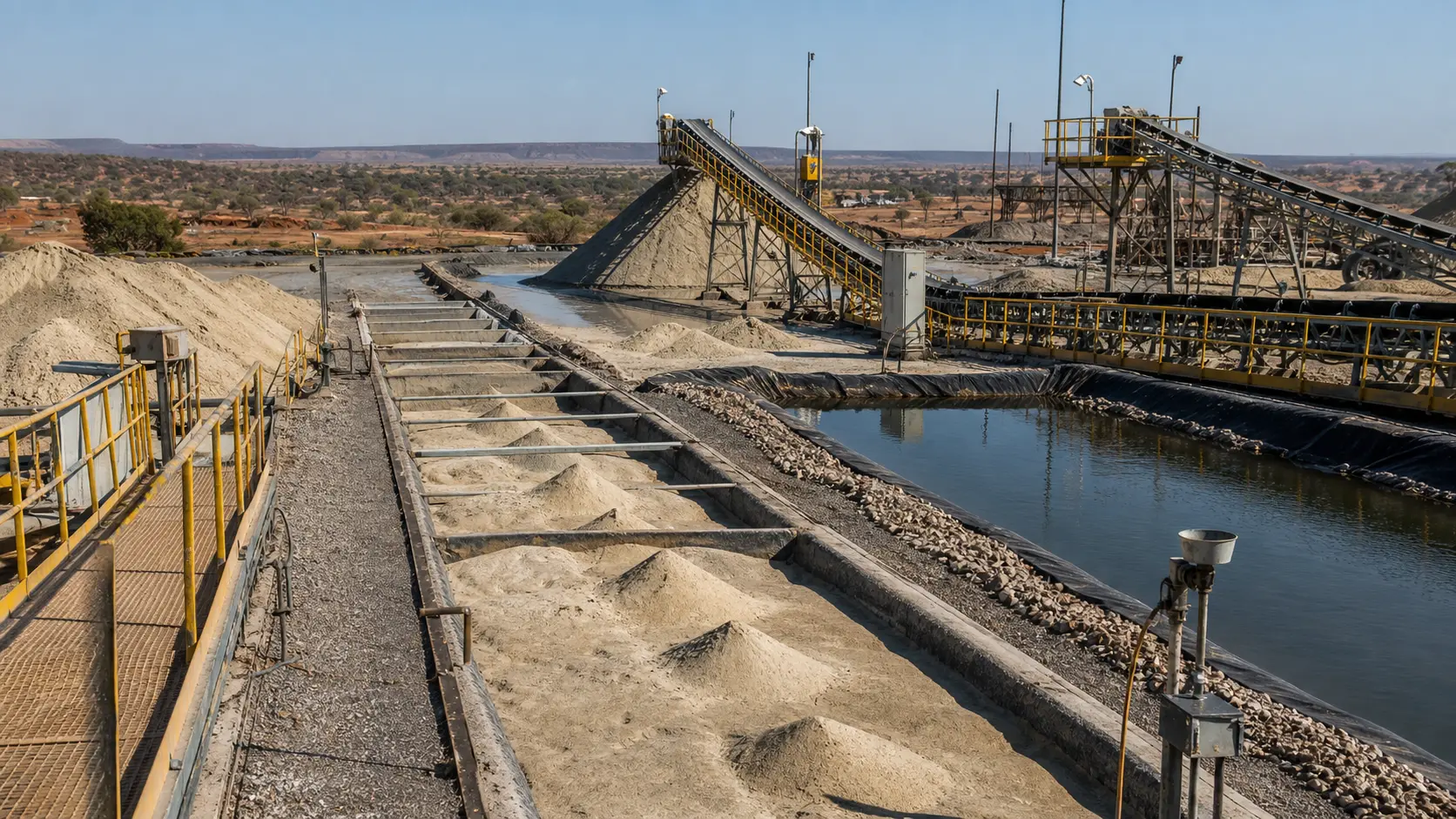
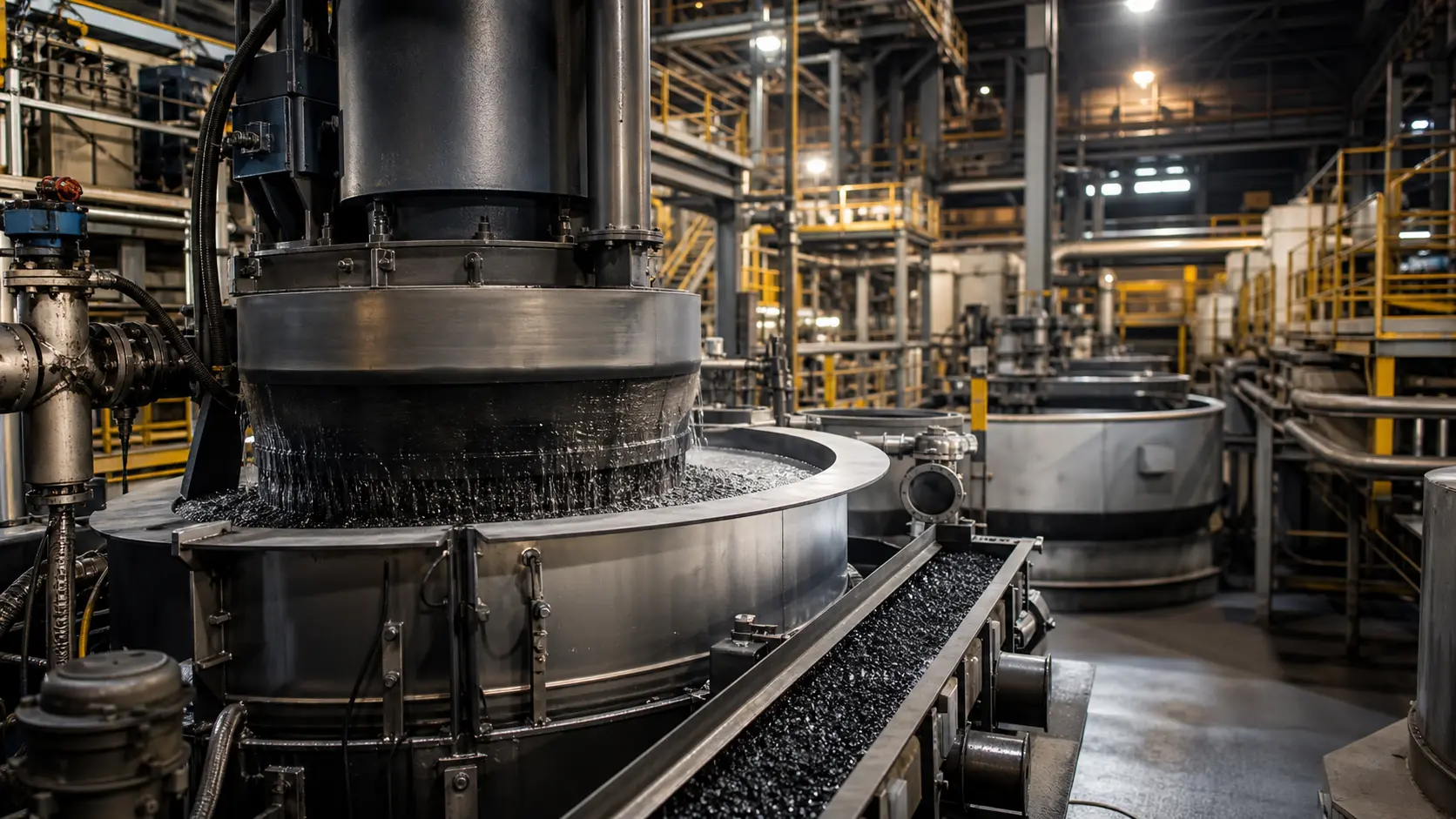
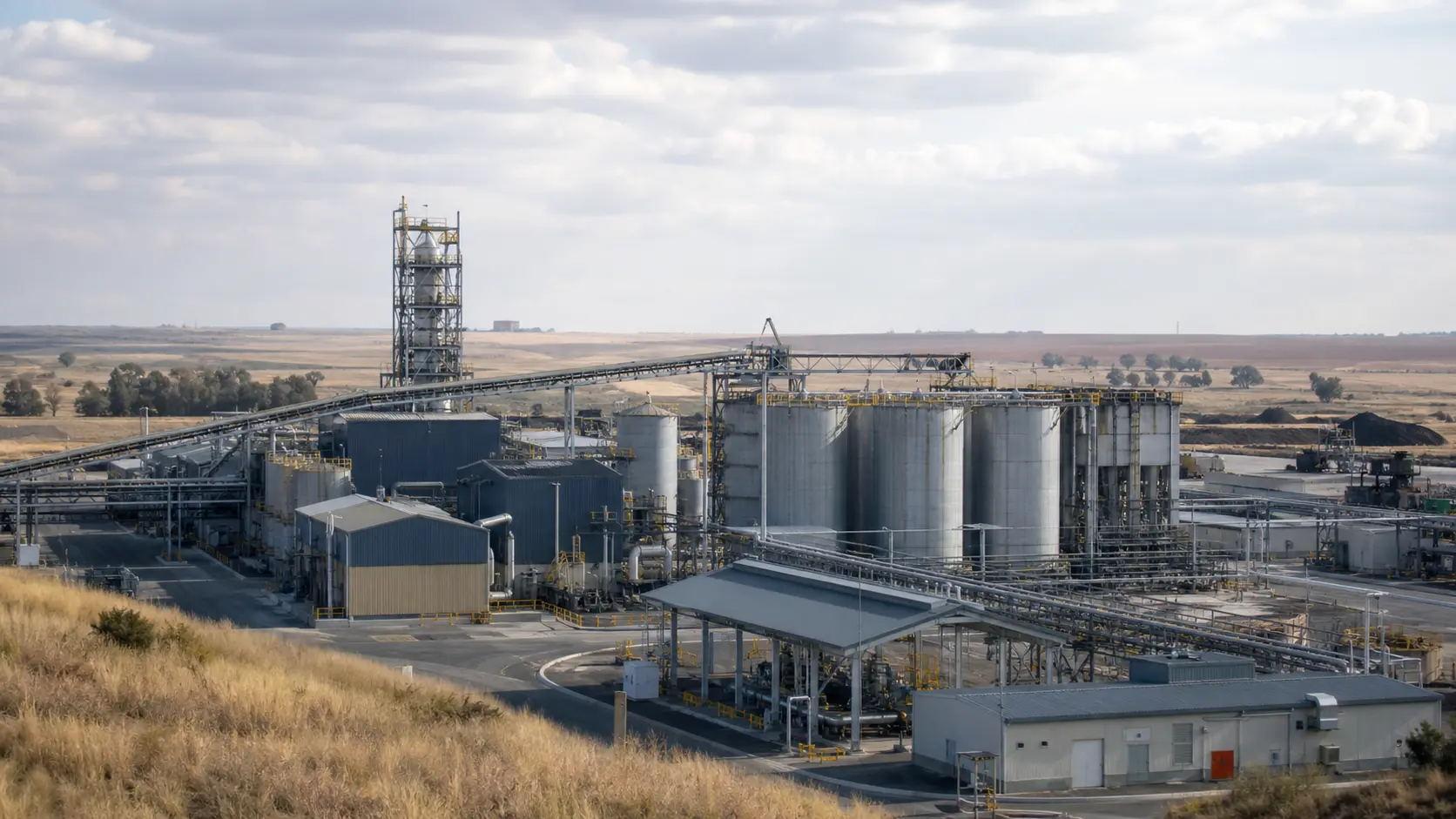
We process suitable surface material through site-specific tailings retreatment and recovery circuits, producing recovered concentrates or intermediate precious-metal outputs for compliant metallurgical upgrading, smelting, or refining pathways where licensed and technically supported.
3. Industrial Manufacturing:
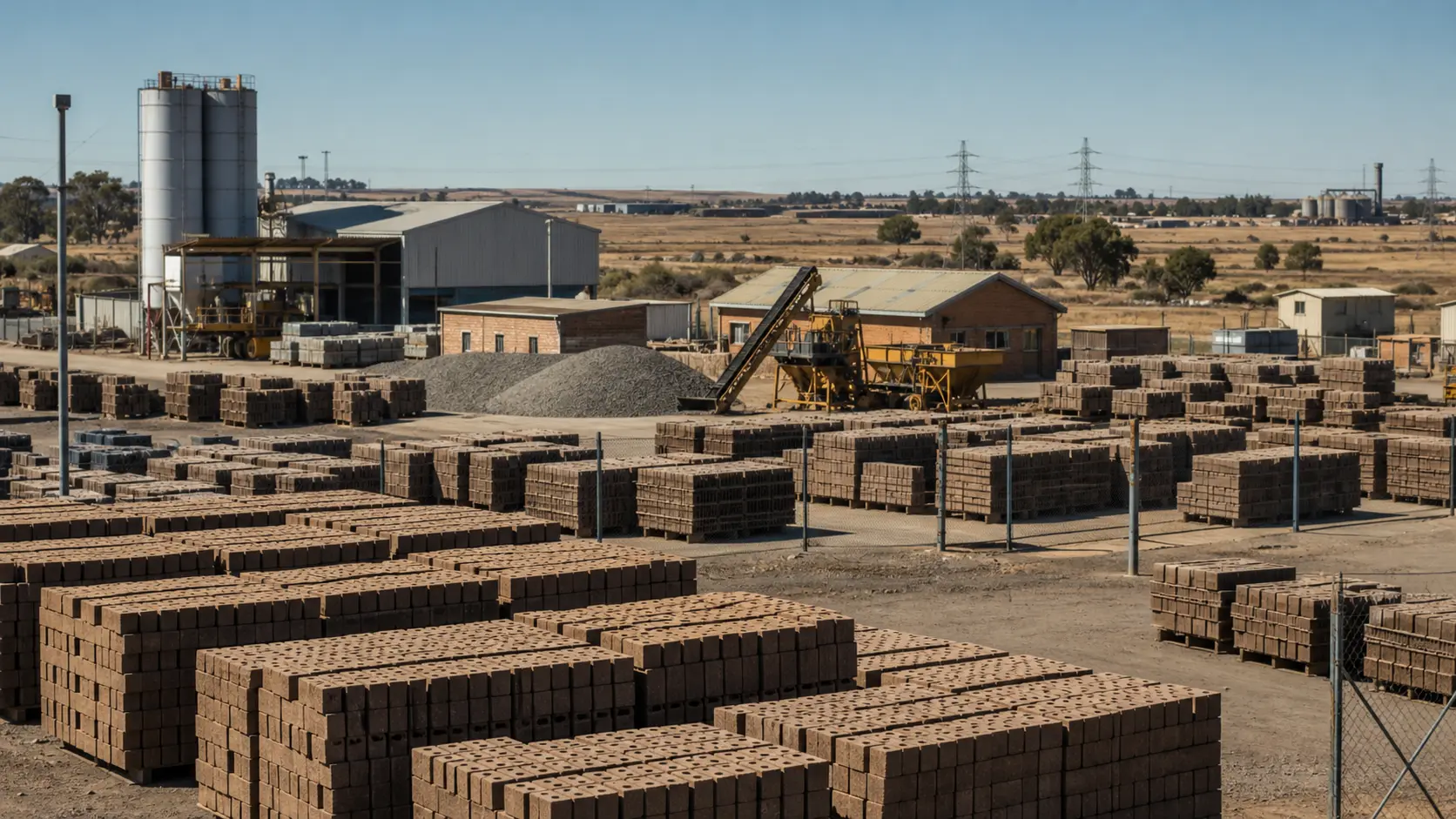
Suitable processed mineral residues are classified, tested, and conditioned for potential downstream manufacturing pathways, including brick and infrastructure material production, subject to SANS/NHBRC requirements, leachability testing, and applicable environmental or radiological screening.
01
Consolidation
↓
02
Metallurgical Processing & Recovery
↓
03
Industrial Manufacturing
Mining Asset Optimisation
While our active operations remain strictly constrained to surface tailings recovery and material manufacturing, ASML's underground exposure is managed as a portfolio strategy. Where ASML holds or controls relevant land, rights, data, or asset positions associated with deep-level legacy mining footprints, these opportunities may be structured through option agreements, joint ventures, or partnerships with appropriately qualified mining operators, subject to MPRDA status, technical due diligence, regulatory approvals, and transaction-specific terms—preserving our corporate focus while retaining long-term economic upside.
Gold Tailings
Recovering Value From Historical TSFs
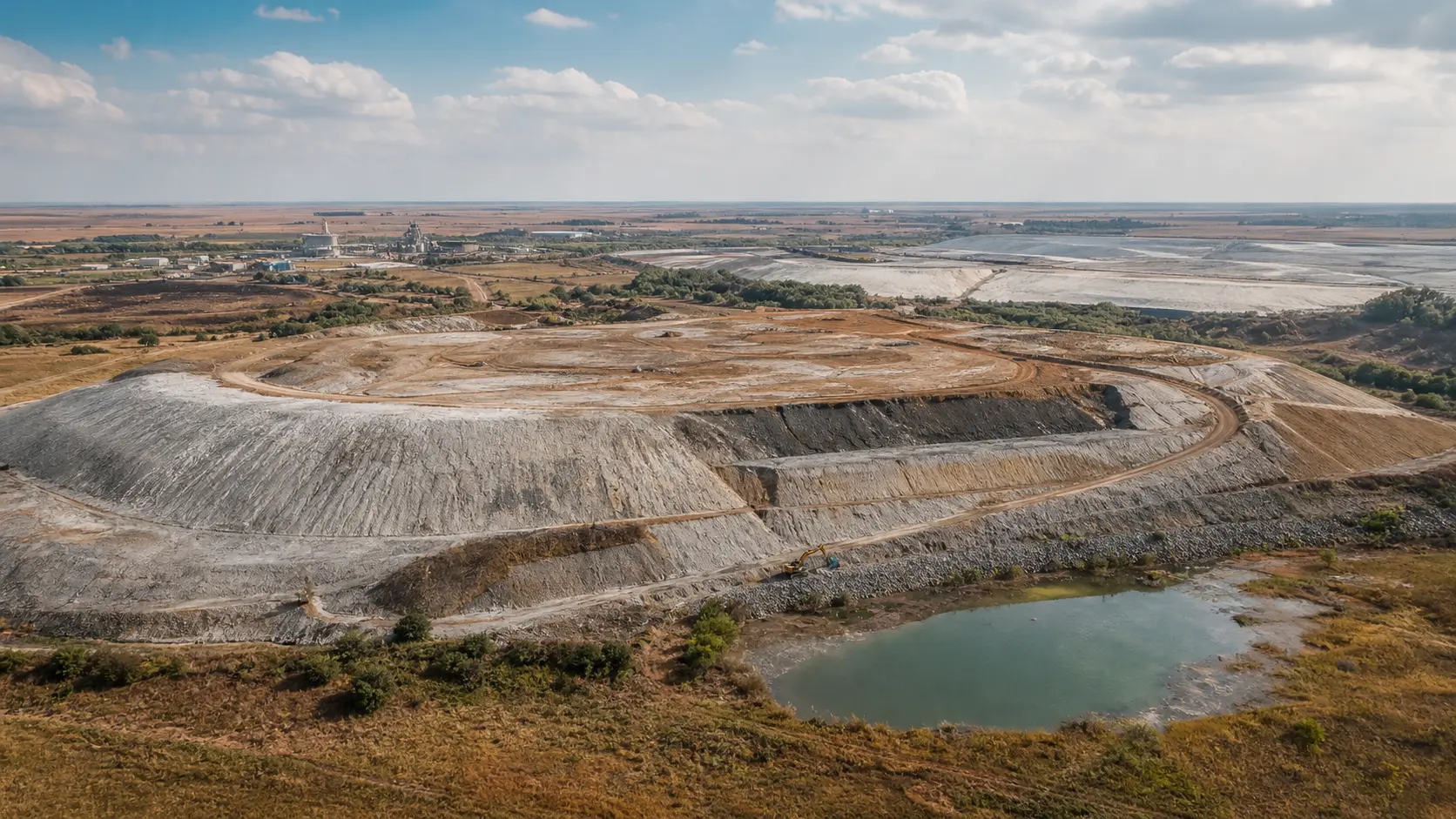
Historical gold processing methods often left residual fine-particle gold within historical tailings storage facilities (TSFs), residue stockpiles, and mineral-bearing surface deposits. ASML Group utilizes specialized, site-specific tailings retreatment circuits optimized for high-volume, fine-grain recovery where supported by sampling, mineralogical analysis, and metallurgical testwork.
Environmental Benefit:
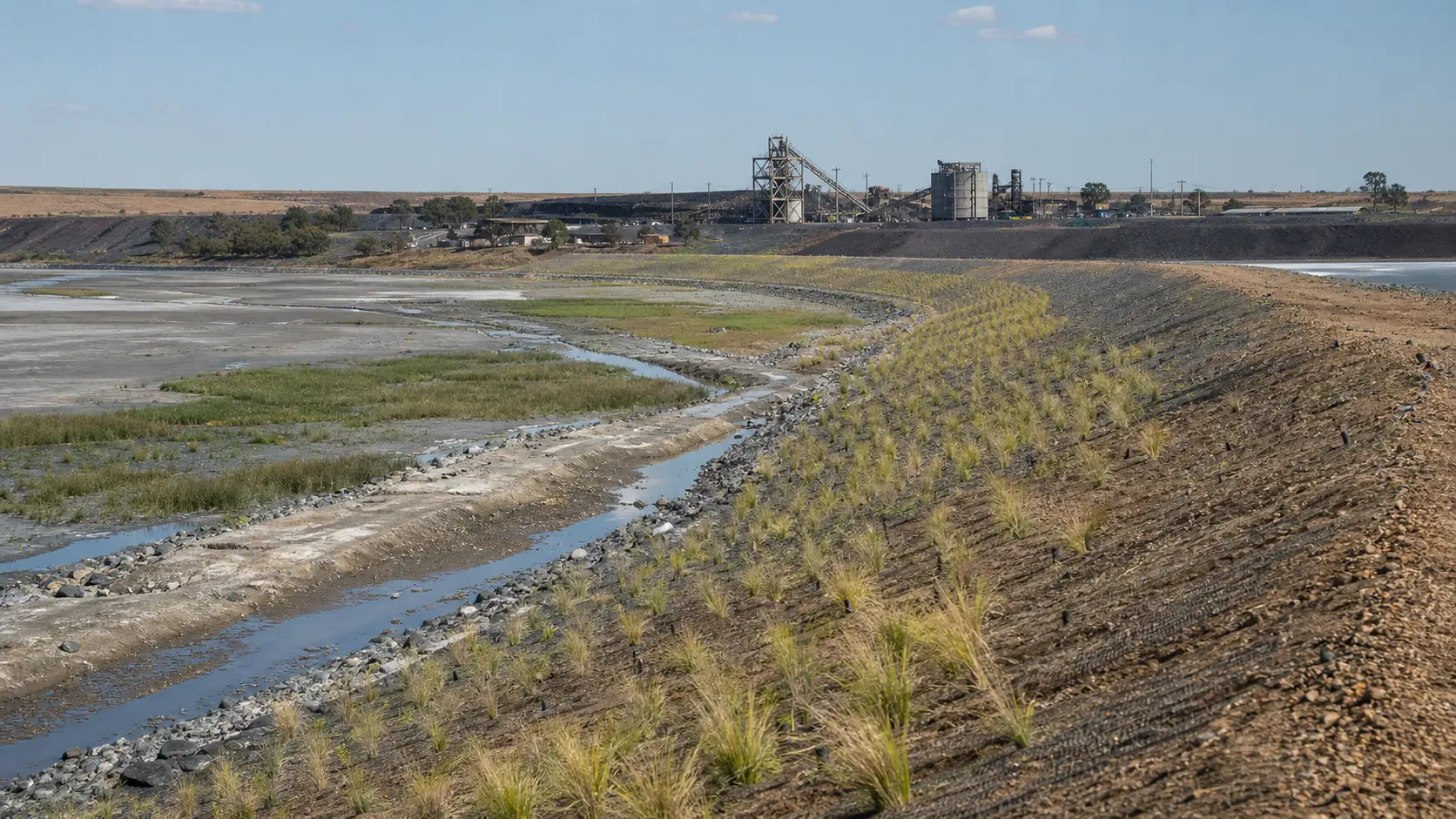
Where supported by site-specific geochemical characterisation, ASML's retreatment process is designed to reduce acid-generating potential, support Acid Mine Drainage (AMD) mitigation, and facilitate progressive TSF closure and land rehabilitation planning in line with applicable NEMA requirements.
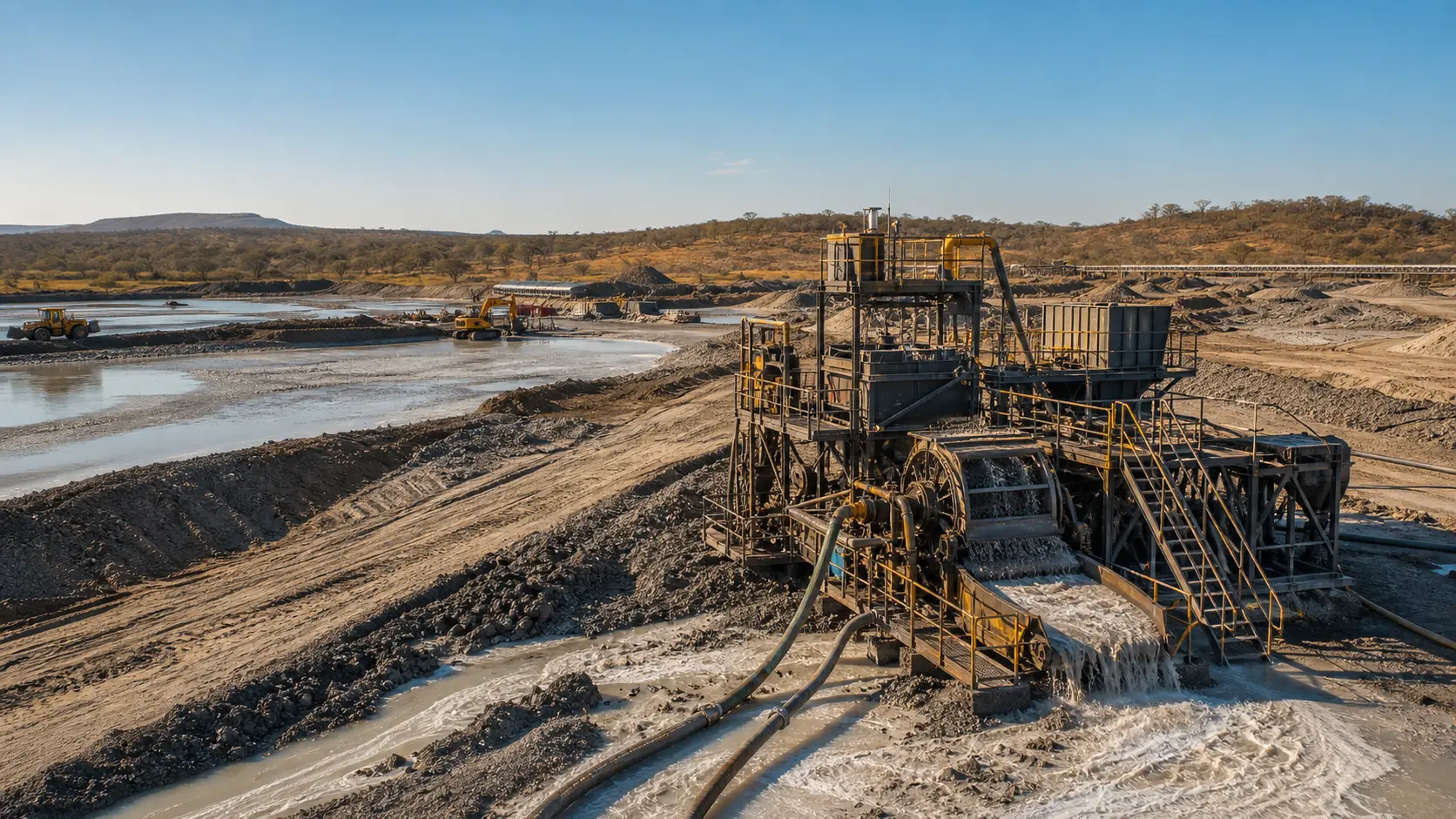
Resource Efficiency:
Because suitable material is already available at surface, tailings retreatment can reduce the energy intensity, capital exposure, and safety risks associated with new deep-level underground extraction, subject to site access, permitting, water-use requirements, and metallurgical viability.
Industrial feedstock
From Historical TSFs to Certified Feedstock
Historical TSFs, residue stockpiles, and mineral-bearing surface deposits are assessed as controlled resource streams with potential recoverable value, rehabilitation requirements, and downstream industrial potential. ASML's recovery platform begins by evaluating the material, site context, tailings ownership and control, authorisation status, and infrastructure required to convert suitable surface liabilities into productive operating inputs.
This positions Gold Tailings Recovery as the entry point into the ASML ecosystem: surface material is consolidated, classified, processed, and prepared for value enhancement through refining, desulfurization, and circular industrial manufacturing pathways where technical and regulatory conditions support recovery.
Managed resource streams
Managed Resource Streams
Controlled surface material is assessed and, where technically viable, directed into the ASML value chain as industrial feedstock, linking TSF recovery activity with refining, rehabilitation planning, and downstream utilization.
01
Feedstock Control
Surface material is treated as an industrial input stream requiring sampling, classification, handling discipline, and processing readiness before recovery decisions are made.
02
Recovery Pathway
Residual mineral value is targeted through tailings retreatment systems designed for suitable high-volume, fine-grain surface material and validated through metallurgical testwork.
03
Rehabilitation Logic
Material recovery is aligned with progressive rehabilitation objectives, supporting residue footprint reduction and future land-use planning without implying automatic closure or full risk elimination.
Asset assessment
Asset Assessment & Recovery Readiness
ASML evaluates whole-site recovery readiness by reviewing the material stream, tailings ownership and control, land access, MPRDA mining right or Section 102 amendment status, environmental authorisations, water-use requirements, infrastructure, processing requirements, and rehabilitation obligations around each surface asset.
Historical TSFs / Residue Deposits
Tailings Ownership & Control
MPRDA / Section 102 Status
Water Use & Environmental Authorisations
Metallurgical Recovery Potential
NEMA Rehabilitation Obligations
Full lifecycle
Recovery as the First Stage of Industrial Value Creation
Historical TSF Consolidation
Rights & Section 102 Audit
High-Volume Hydro-Mining Extraction
Mineral Recovery
Metallurgical Desulfurization
Neutralized Silica Feedstock Certification
NEMA Rehabilitation & Industrial Manufacturing
Metallurgical Processing & Recovery
Integrated Metallurgical Recovery & Value Enhancement
Value retention can improve when processing is located closer to suitable feedstock sources. ASML's modular metallurgical recovery, upgrading, smelting, or refining pathways are engineered around the specific mineralogical profile of each recovery circuit where licensed and technically supported.
Regional Metallurgical Hub
Regional Processing Capacity:
Designed with scalability in mind, ASML's localised metallurgical processing infrastructure serves as a regional metallurgical hub. This fit-for-purpose infrastructure is positioned to accept and process compatible mineral concentrates from adjacent junior operators and neighbouring surface holdings, improving regional asset utilisation where feed compatibility, permissions, and commercial terms support processing.
Value-retention layer
Why Metallurgical Processing Matters
Metallurgical processing is the technical bridge between mineral recovery and downstream industrial utilization. It helps prevent suitable recovered material from leaving the ASML ecosystem too early, retaining value closer to the source and creating a stronger platform for compliant beneficiation and product routing.
By integrating concentrate processing, metallurgical upgrading, and licensed recovery or refining pathways where applicable, ASML strengthens processing efficiency, regional beneficiation, concentrate upgrading, and industrial integration.
01
Value Enhancement
Recovered material is upgraded into higher-value intermediate outputs where technically viable and legally supported before it moves further through the industrial system.
02
Processing Efficiency
Localized metallurgical processing reduces fragmentation and keeps technical decision-making close to the recovery circuit.
03
Regional Beneficiation
Metallurgical processing and value-enhancement capacity support a more complete regional mineral-processing ecosystem.
Technical upgrading
Value Enhancement & Pre-Concentrates
Value enhancement supports retention by upgrading suitable recovered material into pre-concentrates, recovered concentrates, or higher-value intermediate outputs within compliant ASML-controlled or partner-operated processing pathways. This improves processing outcomes while supporting product routing, off-take, and adjacent industrial activity.
All precious-metal recovery, smelting, refining, and off-take pathways are subject to applicable licence status, SADPMR requirements, assay protocols, metal accounting, chain-of-custody controls, feed acceptance criteria, and commercial terms.
Regional processing hub
Localized Metallurgical Capacity
ASML's metallurgical processing infrastructure is positioned as a regional processing node: accepting compatible concentrates, supporting adjacent holdings, and improving regional asset utilization through integrated processing partnerships where feed acceptance criteria, permissions, and commercial terms support treatment.
01
On-Site Beneficiation
Processing infrastructure is strategically localized to minimize bulk haulage costs, streamline the supply chain, and support recovery performance directly at the feedstock source.
02
Multi-Feedstock Flexibility
The hub architecture is designed to assess, accept, and blend compatible concentrate streams from adjacent junior operators and neighboring surface reclamation holdings, subject to sampling, assay, source verification, chain-of-custody controls, and metallurgical compatibility.
03
Asset Monetization & Circularity
Regional metallurgical processing can help unlock latent value where feedstock, permissions, and processing economics support recovery while preparing suitable secondary materials for downstream industrial applications.
04
Structured Tolling Agreements
A compliance-led processing platform that facilitates transparent toll-processing frameworks, joint ventures, and structured off-take relationships with regional partners through defined treatment terms, assay protocols, metal accounting, and source-of-feed verification.
Brick Manufacturing
Industrial Brickworks & Eco-Materials
ASML Group bridges the gap between mining and manufacturing. Suitable processed mineral residues from gold recovery operations are evaluated as controlled industrial aggregate feedstock, subject to geochemical, leachability, radiological, and product-performance testing.
01
Eco-Bricks:
By utilizing suitable processed tailings as a primary raw material input, our adjacent brickworks factories can produce engineered masonry products and infrastructure materials through testing-led manufacturing pathways, subject to process design, SANS-aligned product validation, leachability screening, and applicable environmental assessment.
02
Market Alignment:
This division is positioned to supply the commercial construction, civil engineering, and infrastructure development sectors with tested building components designed for applicable SANS, NHBRC, municipal, and project-specific quality requirements.
Downstream material conversion
From Processed Residue to Industrial Feedstock
ASML's circular manufacturing pathway treats suitable processed mineral residues as controlled industrial feedstock. Once material has moved through recovery and processing, suitable residues can be classified, screened, conditioned, and prepared for downstream manufacturing applications where geochemical, leachability, product-performance, and applicable radiological requirements are satisfied.
This strengthens the manufacturing pillar as a value-retention system within the broader ASML ecosystem: recovered mineral value is not the endpoint, but the beginning of a second industrial conversion pathway supported by testing, verification, and market-readiness controls.
Manufacturing workflow
Residue Conversion Workflow
Conditioned Tailings Feedstock
Particle Size Optimisation
Geochemical Conditioning & Binder Integration
Homogenised Matrix Blending
High-Compression Compaction
Controlled Curing
SANS Product Testing & Leachability Screening
Commercial Dispatch & Off-Take Logistics
Mineral Recovery
Refining
Manufacturing
Infrastructure Supply
Commercial alignment
Infrastructure Market Alignment
ASML's manufacturing pathway is positioned around practical infrastructure demand, where consistent industrial materials can support regional development and construction supply needs subject to product testing, certification, and project-specific specifications.
Commercial Construction
Civil Engineering
Infrastructure Development
Municipal Projects
Industrial Property Development
Regional Construction Supply
Product readiness
Quality Control & Dispatch
The manufacturing division is strengthened through a disciplined production logic: classify and screen the feedstock, condition the material, manage forming and curing, verify product consistency through quality assurance and product testing, and prepare finished materials for reliable market dispatch.
By linking controlled feedstock preparation with SANS/NHBRC-aligned product verification, leachability screening, applicable radiological review, and dispatch readiness, the division supports infrastructure-ready building material supply while reinforcing ASML's circular manufacturing role within the broader resource recovery value chain.
Partnering with ASML Group:
Unlocking Stranded Mineral Assets
Converting Historical Surface Assets Into Productive Industrial Value
Are you a landowner, rights holder, corporate asset holder under restructuring, business rescue practitioner, or municipality managing historical tailings storage facilities or related surface mining infrastructure?
ASML Group provides a structured and operationally focused pathway for assessing surface mineral liabilities and historical TSF environments. We specialize in complex asset environments—including assets undergoing structural transition or business rescue—to evaluate regulated asset carve-outs, rights-holder alignment, infrastructure acquisition, joint ventures, and processing partnerships subject to MPRDA, environmental, technical, regulatory, and commercial due diligence.
Why Asset and Rights Holders Choose ASML:
01
Structured Asset Alignment:
We evaluate asset-level transaction structures, land access, infrastructure acquisition, rights-holder coordination, and environmental authorisation alignment where legally, technically, and commercially supportable.
02
Integrated Metallurgical Infrastructure:
We bring processing equipment, technical management, and regulatory discipline required to assess suitable surface mineral assets and process compliant feedstock through structured recovery, toll-treatment, and value-enhancement pathways.
03
Progressive Liability Management:
Our closed-loop model is designed to support residual value recovery, residue footprint reduction, environmental liability management, and progressive rehabilitation planning without implying automatic closure, full remediation, liability transfer, or elimination of all environmental risk.
04
Regional Hub Integration:
Adjacent asset holders, landowners, and junior operators can explore compliant metallurgical processing, value-enhancement, concentrate acceptance, and toll-treatment pathways for suitable surface deposits without carrying the full capital burden of standalone infrastructure.